On May 11, 2026, at the TUBITEHO Head office, a capacity-building training program was officially launched for newly recruited staff working under the “Disability is not inability” project, supported by deriv Rwanda. The training aims to strengthen the capacity of the new staff and equip them with the skills and knowledge required for effective project implementation.
The Legal Representative of TUBITEHO explained to the Consultant team the importance of the training both for the organization and for the newly recruited staff. He emphasized that the training would equip the new employees with the knowledge and skills necessary to effectively fulfill their responsibilities and contribute to the successful implementation of the project. Upon completion of the program, the staff members are expected to be fully prepared to carry out their duties efficiently and professionally.
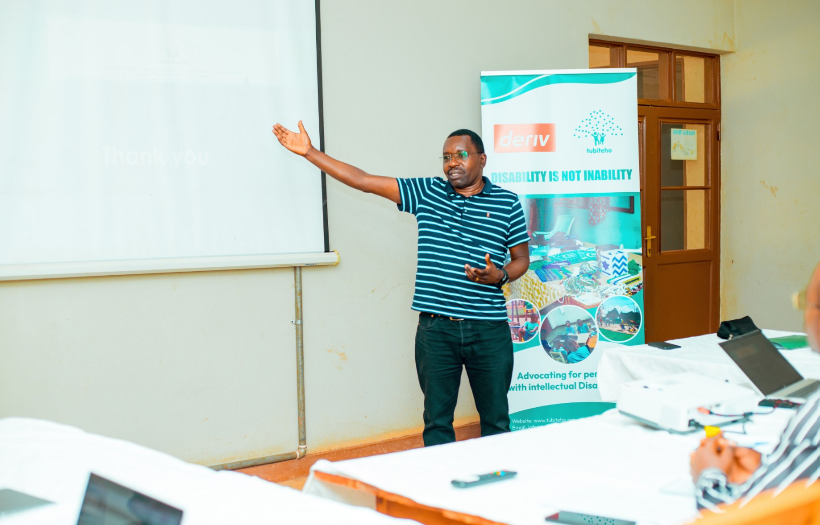
The consultant team was composed of professionals with expertise in project management, event strategy and fundraising, and communication. During the session, each consultant took time to introduce himself to the participants by presenting his professional background, areas of specialization, and relevant experience. They also highlighted their respective roles in the training program and explained how their expertise would contribute to strengthening the participants’ knowledge and skills throughout the capacity-building process.
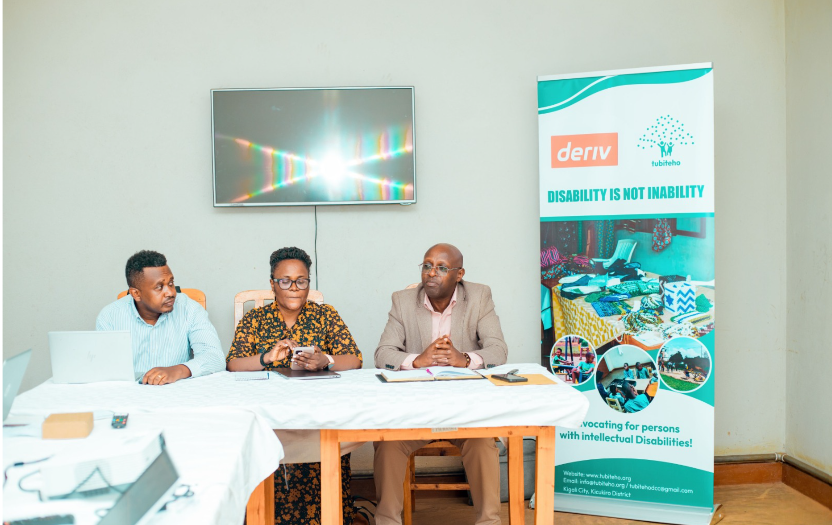
After the introduction session, each trainee was given the opportunity to express his or her expectations regarding the training program and share personal learning objectives with the participants. The trainees highlighted their desire to strengthen their professional capacities, acquire practical knowledge and skills related to their respective responsibilities, and better understand the implementation framework of the Disability is not inability project.
Some participants emphasized the importance of improving their communication, reporting, project management, and teamwork skills, while others expressed interest in gaining a deeper understanding of organizational procedures, Project management, and fundraising. They also noted that the training would help them build confidence in performing their daily tasks and contribute more effectively to the achievement of the project objectives.
Despite the diversity of their expectations, all trainees shared a common vision: that upon completion of the training program, staff members would be fully equipped with the knowledge, skills, and professional attitudes necessary to carry out their duties efficiently, responsibly, and professionally.